

Have you ever walked into a hospital and immediately felt your shoulders tighten? Maybe it was the smell of industrial cleaner, the hum of fluorescent lights, or the endless, sterile white hallways. Now, imagine if that was your home.
For many seniors living with cognitive decline, this clinical environment isn’t just unpleasant—it’s actually detrimental to their health.
If you are currently searching for memory care for dementia, you’ve likely noticed a new buzzword popping up: “home-like design.” But is it just a trend, or does it actually change how our loved ones experience their day-to-day lives?
The truth is, the environment is one of the most powerful “medicines” we have in dementia care. At Seasons Senior Living, we’ve moved away from the cold, corporate model of care to embrace a philosophy that prioritizes comfort, familiarity, and a sense of belonging.
In this post, we’re going to dive into the science behind why “home-like” is the gold standard, how this approach has been refined with expert insight, and why it’s changing the game for memory care.
1. Why Traditional, Clinical Facilities Can Be a Source of Stress
For decades, memory care facilities were designed like hospitals. The focus was on efficiency for staff—not the experience of the resident. While these environments were clean, they were often confusing.
For someone living with Alzheimer’s or dementia, the brain struggles to process complex sensory information. Long, identical hallways can lead to “wayfinding” issues—where a resident cannot find their way back to their room—triggering stress responses.
Bright, harsh lighting can create glare and shadows that may be perceived as obstacles, increasing the risk of falls.
This type of environment can lead to:
- Increased agitation
- Social withdrawal
- Loss of independence
2. The Science of Comfort: How Your Environment Heals
The alternative is what’s often referred to as the “Science of Comfort.”
This goes far beyond aesthetics. It’s a fundamental shift in how spaces are designed to support the aging brain.
Research shows that smaller, household-style environments significantly reduce behavioral symptoms of dementia. Instead of large institutional buildings, the most effective models use smaller “neighborhoods.”
In these settings:
- The kitchen is central
- Living spaces are close by
- Bedrooms are easily accessible

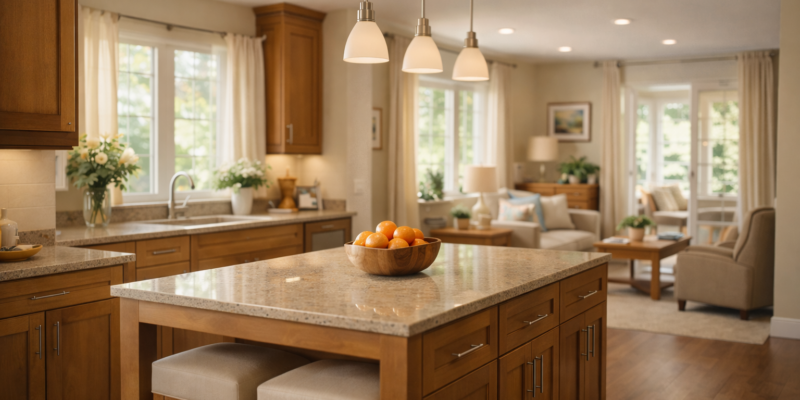
This familiar layout mirrors the homes residents lived in for decades. When an environment “makes sense,” it restores confidence, reduces anxiety, and supports independence.
3. A Research-Driven Approach to Design
Rather than guessing what works, leading communities have partnered with research institutions to design better environments.
This approach focuses on creating spaces that “touch, move, and inspire” residents daily.
Key design elements include:
Acoustic Comfort
Reducing noise from carts, alarms, and busy hallways to prevent sensory overload.
Visual Contrast
Using color to help residents distinguish between floors, walls, and important objects like toilets or doorways.
Circadian Lighting
Lighting systems that mimic natural daylight patterns to regulate sleep and reduce sundowning behaviors.
4. Safety Elements Hidden in Plain Sight
Safety is one of the biggest concerns families have—but traditional safety measures can sometimes increase distress.
Locked doors with alarms and bright exit signs can trigger anxiety and “exit-seeking” behaviors.
A more effective approach is “Safety in Plain Sight.”
Examples include:
- Exit doors disguised to blend into walls
- Murals or design elements that reduce attention to exits
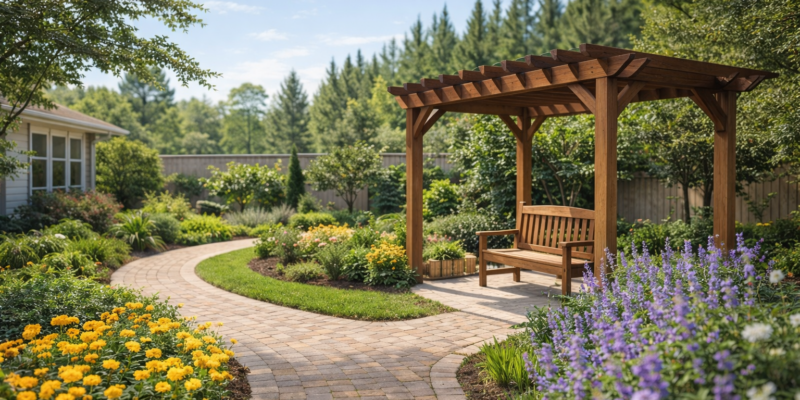
- Inviting pathways leading to secure outdoor spaces
This creates a secure environment without making it feel restrictive, preserving dignity while ensuring safety.
5. Why Being Family-Owned Changes Everything
Large corporate communities often prioritize efficiency and margins. This can lead to environments that feel polished—but impersonal.
In contrast, family-owned communities tend to focus on experience and flexibility.
This allows for:
- Personalized adjustments to spaces
- More responsive decision-making
- A deeper focus on resident comfort
In these environments, staff often function more like extended family—building relationships rather than simply following care plans.
6. Real Life in a Home-Like Setting: What to Look For
If you’re touring memory care communities, here are key things to look for:
1. Can you smell the food?
Freshly prepared meals create sensory cues that feel like home.
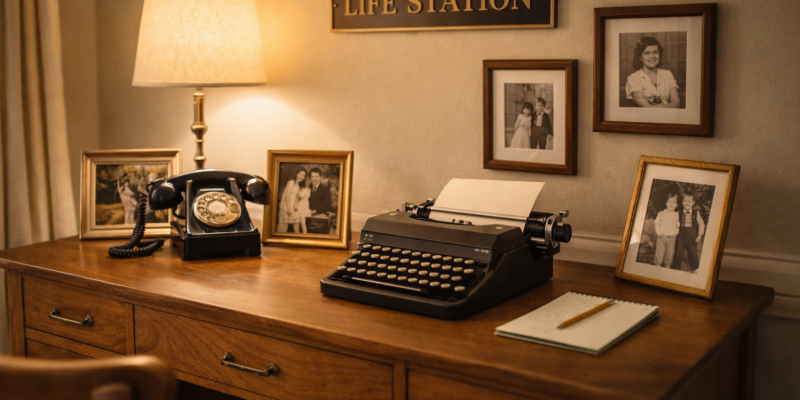
2. Is there “clutter with a purpose”?
Life stations—like desks, nurseries, or workbenches—encourage engagement.
3. Are neighborhoods small?
Ideally, 10–15 residents per area instead of large groups.
4. Is there natural light?
Access to sunlight and outdoor spaces reduces stress and improves well-being.
7. Choosing Based on Hope, Not Just Need
Finding memory care can feel overwhelming. But it’s important to remember—you’re not just choosing a place for care, you’re choosing a place to live.
The shift toward home-like design represents a major evolution in senior living. It recognizes that even with memory loss, a person still needs:
- Comfort
- Familiarity
- Beauty
- Connection
When you walk into a community, trust your instincts.
Does it feel like a hospital—or does it feel like a home?
Because the right environment can make all the difference.

Next Steps for You and Your Family
- Visit communities in person
- Ask about how the space supports memory care
- Spend time in resident areas—not just the lobby
- Trust how the environment makes you feel
There is hope. Your loved one can live with dignity, comfort, and a sense of belonging.
